
Garage Door Torsion Spring vs. Extension Spring: Which Type Does Your Garage Door Need?
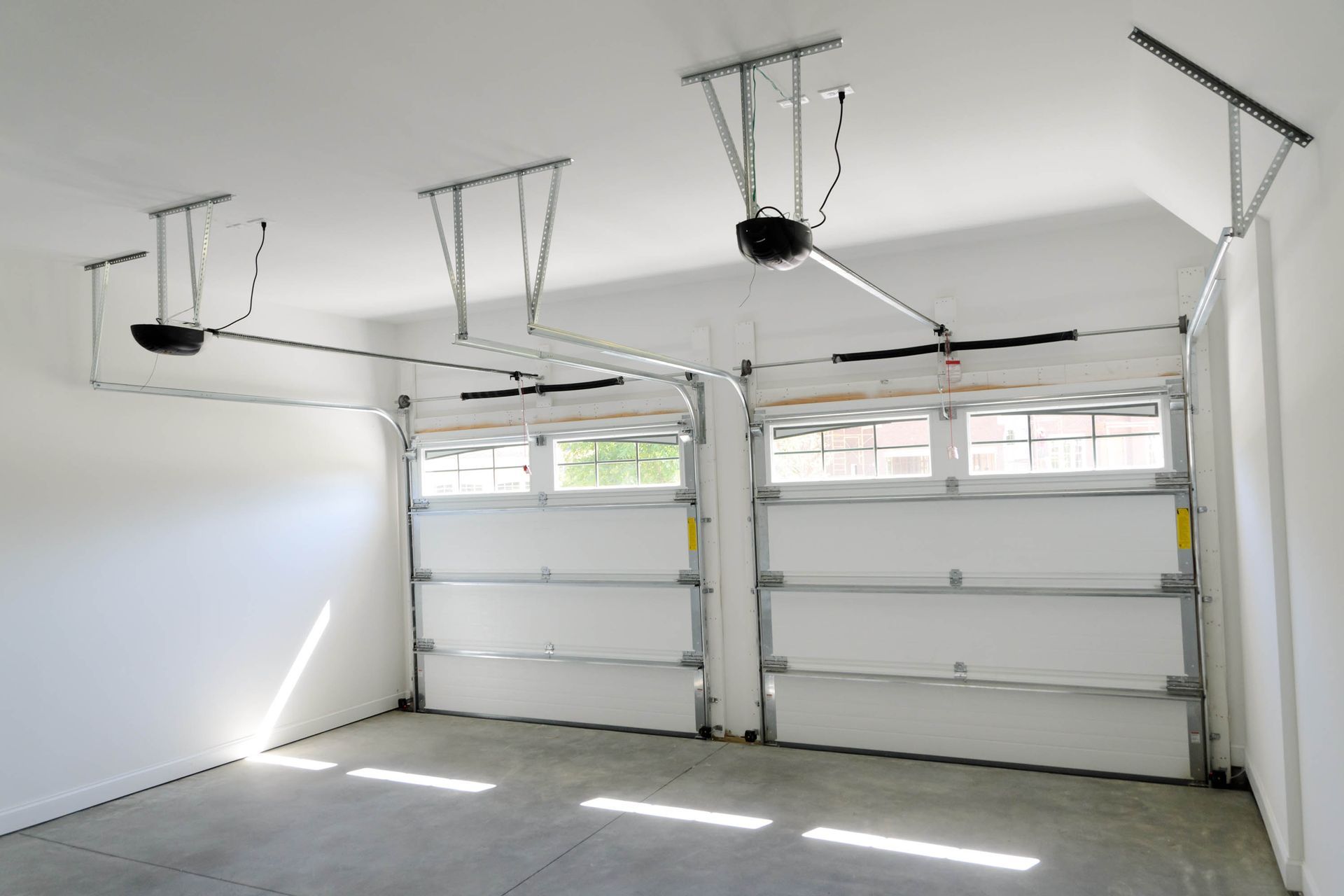
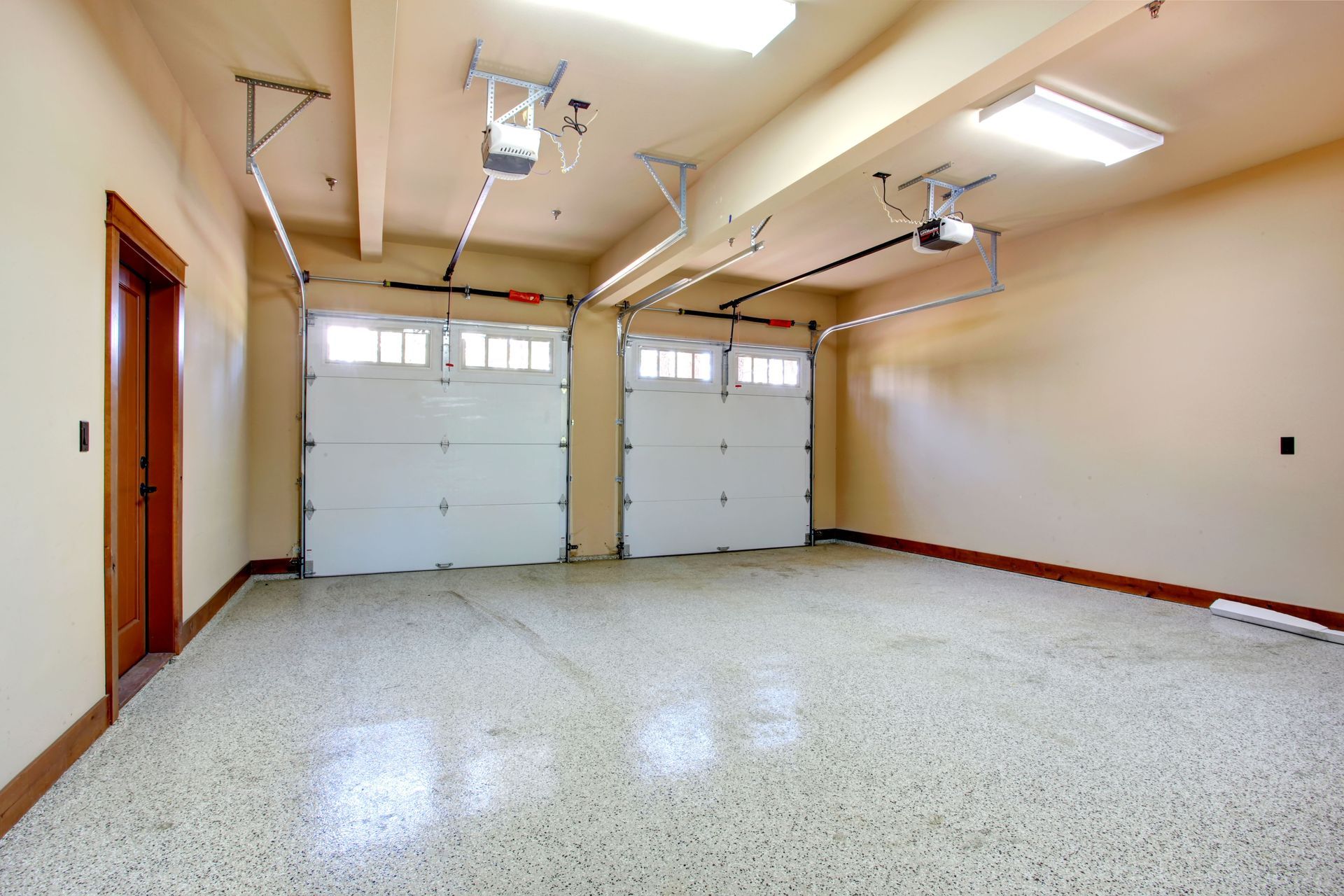
Operating a residential or commercial overhead entrance reliably requires a delicate balance of heavy structural engineering and mechanical counterbalance forces. The modern overhead assembly represents one of the largest moving mechanical systems in any building, performing several rigorous cycles each day to facilitate vehicle access, secure valuables, and preserve indoor climate control. When opening or closing, the mechanical system must lift panels that routinely weigh between one hundred and four hundred pounds. Counterbalance hardware absorbs and neutralizes this immense gravitational deadweight, allowing motorized openers or manual operators to raise the entire assembly effortlessly. Choosing the proper counterweight hardware forms the cornerstone of dependable, long-term operation for any property owner.
According to Marketresearchupdate.com, the garage & overhead door market is poised for significant growth from 2025 to 2032, projected at a CAGR of 5%. As structural construction expands and contemporary architectural designs demand heavier, insulated, and wind-rated assemblies, understanding your mechanical hardware choices becomes essential. Property owners typically choose between two fundamental counterbalance configurations: overhead torsional assemblies and track-mounted extension mechanisms. Each hardware variety operates on distinct physical principles, carries specific maintenance obligations, and presents differing initial investment costs. Evaluating your door dimensions, daily cycle frequency, and personal tolerance for routine upkeep ensures you select the optimal hardware package to safeguard your property and maintain smooth operation across decades.
Analyzing Torsion Counterbalance Mechanics
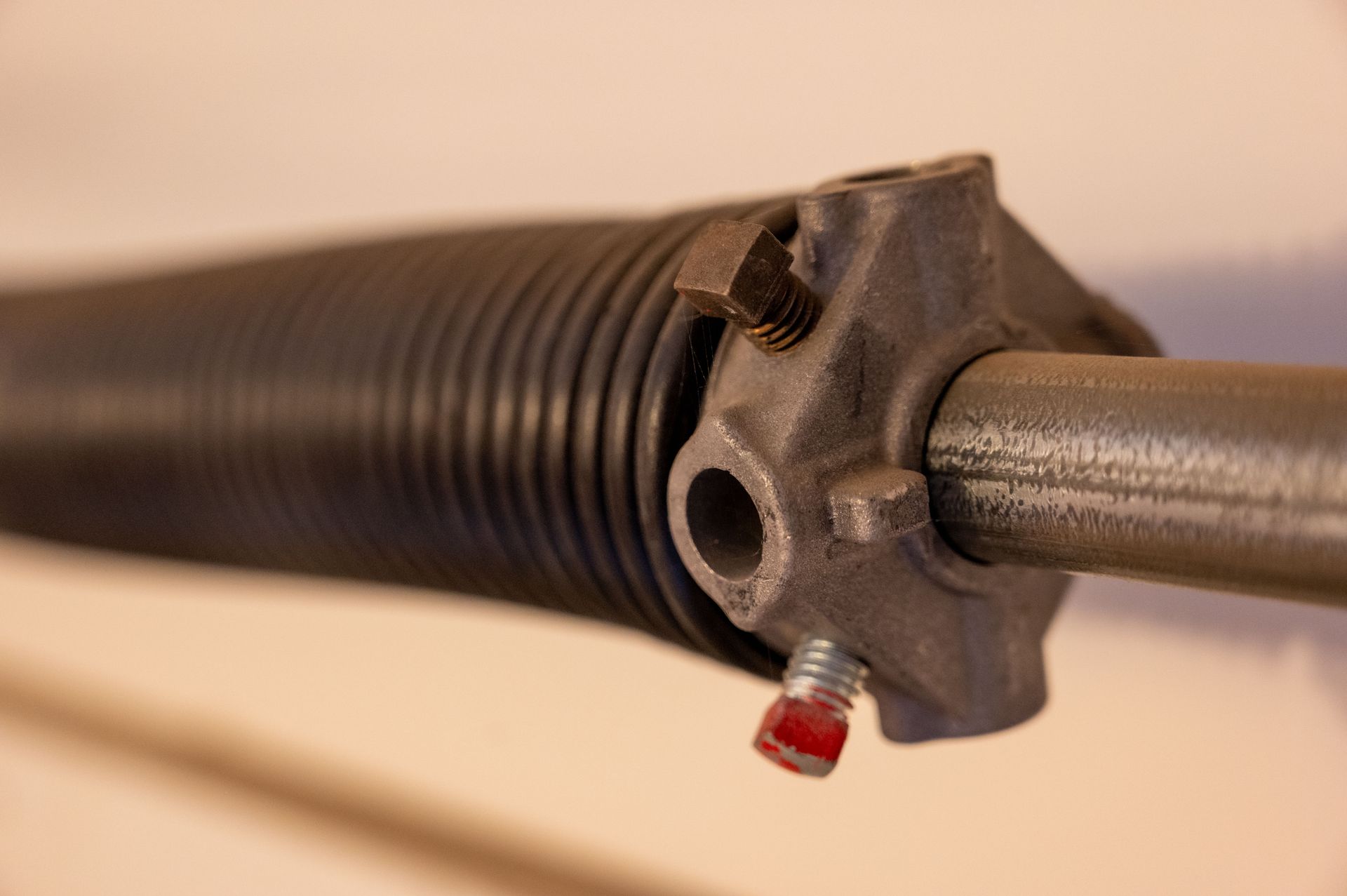
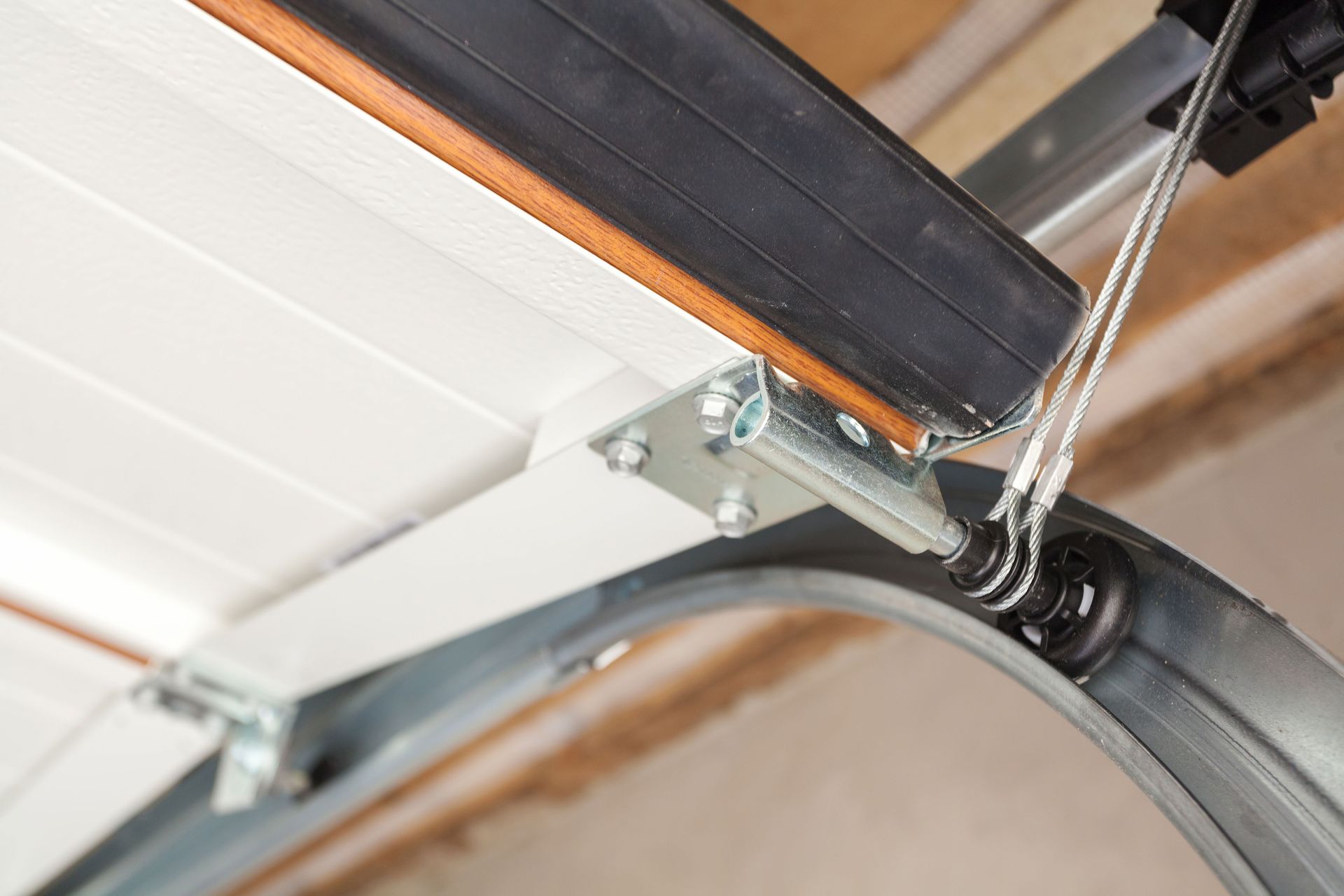
A modern garage door torsion spring operates by harnessing rotational energy stored within tightly wound, high-tensile steel coils mounted directly above the horizontal opening. Technicians install these components along a central steel torsion shaft situated on the header wall above the entrance, anchoring the stationary center bracket to the building structure. When the panel travels downward toward the foundation, stainless steel lift cables wound around exterior aluminum drums twist the coils tighter, packing tremendous rotational torque into the tempered steel loops. Upon opening, this compressed mechanical force unwinds smoothly, transferring rotational energy through the shaft, turning the cable drums, and lifting the deadweight of the door with controlled, fluid precision.
Engineered using cold-drawn, oil-tempered, or galvanized spring steel wire, a dedicated garage door torsion spring provides exceptional mechanical stability and smooth cycle performance. Because the physical energy remains contained around a rigid steel shaft anchored securely to the wall framework, the lifting motion avoids erratic shuddering, lateral swaying, or uneven track friction. Modern torsional systems distribute mechanical loads symmetrically across both cables, reducing localized strain on roller hinges and electric operator tracks. While the immense kinetic tension inside these wound coils necessitates specialized winding bars and professional installation expertise, the resulting mechanical efficiency provides superior cycle longevity, remarkably quiet operation, and enhanced physical safety throughout years of daily residential use.
Examining Extension Counterbalance Mechanics
Extension counterbalance systems rely on classic linear tension principles, using elongated steel coils mounted horizontally above the overhead track rails on each side of the opening. These springs run parallel to the ceiling tracks, anchoring to the rear structural hanging framework and connecting to the lower panel corners through a series of sheaves and high-tensile aircraft cables. When the garage entrance descends to the floor, the steel coils stretch outward along the tracks, accumulating potential energy much like an expanded elastic band. As the door begins to rise, the stretched coils contract toward their resting length, pulling the lifting cables across the stationary pulleys to balance the door weight.
Manufactured from durable oil-tempered or galvanized wire with looped open ends, extension hardware provides a straightforward, budget-conscious counterweight solution suitable for smaller residential footprints. Because these springs expand horizontally rather than rotating on a fixed shaft, the mechanical pull remains split into two independent linear actions operating on opposite sides of the ceiling frame. Maintaining identical tension across both coils is critical; uneven mechanical stretching causes the door panels to bind within the side tracks or tilt during movement. To prevent catastrophic bodily harm or vehicular property damage if a fatigued coil snaps under tension, contractors must thread heavy steel containment safety cables through the center of both extension springs.
Comparing Installation and Maintenance Demands
The structural mounting procedures for these two counterweight options differ substantially in technical complexity, spatial clearances, and required specialized tooling. Mounting a garage door torsion spring requires sufficient vertical headroom above the door frame, generally demanding twelve or more inches of clear wall space between the ceiling joists and the header jamb. Technicians must anchor the center bracket securely into solid structural framing lumber, level the tubular shaft, set drum clearances, and wind each coil using heavy steel winding rods. Extension assemblies, conversely, accommodate lower headroom conditions by mounting along horizontal track angles, making them popular in older basements or compact carports where vertical clearance above the lintel remains severely restricted.
Routine maintenance protocols also vary noticeably between these two mechanical designs over their active service lives. Torsion assemblies demand periodic lubrication along the coil body using non-silicone penetrating sprays, alongside routine inspections of the shaft bearing plates, cable drums, and set screws. Because the hardware remains locked onto a central steel rod, operational balance stays consistent over extended periods. In contrast, extension hardware requires vigilant monitoring of independent pulleys, sheaves, s-hooks, and safety containment lines. As the dual linear coils endure thousands of stretch cycles, metal fatigue often manifests unevenly, necessitating frequent manual adjustments, recalibrations, and simultaneous pair replacements to prevent dangerous door track binding and premature motor strain.
Assessing Financial Investments and Lifespans
Evaluating the overall financial impact of counterweight selection involves balancing initial installation expenses against long-term operational endurance and component replacement rates. Extension hardware packages typically feature lower retail price points and simpler initial manufacturing methods, positioning them as an appealing selection for property developers or cost-conscious homeowners facing immediate budgetary boundaries. However, standard extension assemblies generally deliver a rated service lifespan of roughly 10,000 operational cycles. For busy family households cycling the garage door multiple times every day, standard extension components can exhibit structural elasticity loss and fatigue failure in as few as four to seven years.
Conversely, investing in a robust garage door torsion spring entails a larger upfront capital expenditure for raw hardware and professional installation, yet it yields superior lifecycle financial returns. High-grade torsion coils routinely carry ratings of 15,000 to 20,000 standard duty cycles, with specialized commercial configurations exceeding 50,000 cycles without structural fatigue. Because torsional movement produces uniform stress distribution without extreme lateral stretching, individual components experience far less physical degradation over time. When factoring in the reduced frequency of component replacements, minimized service call expenses, and reduced wear on motorized drive motors, a high-grade garage door torsion spring regularly proves more economical over the functional lifetime of the structure.
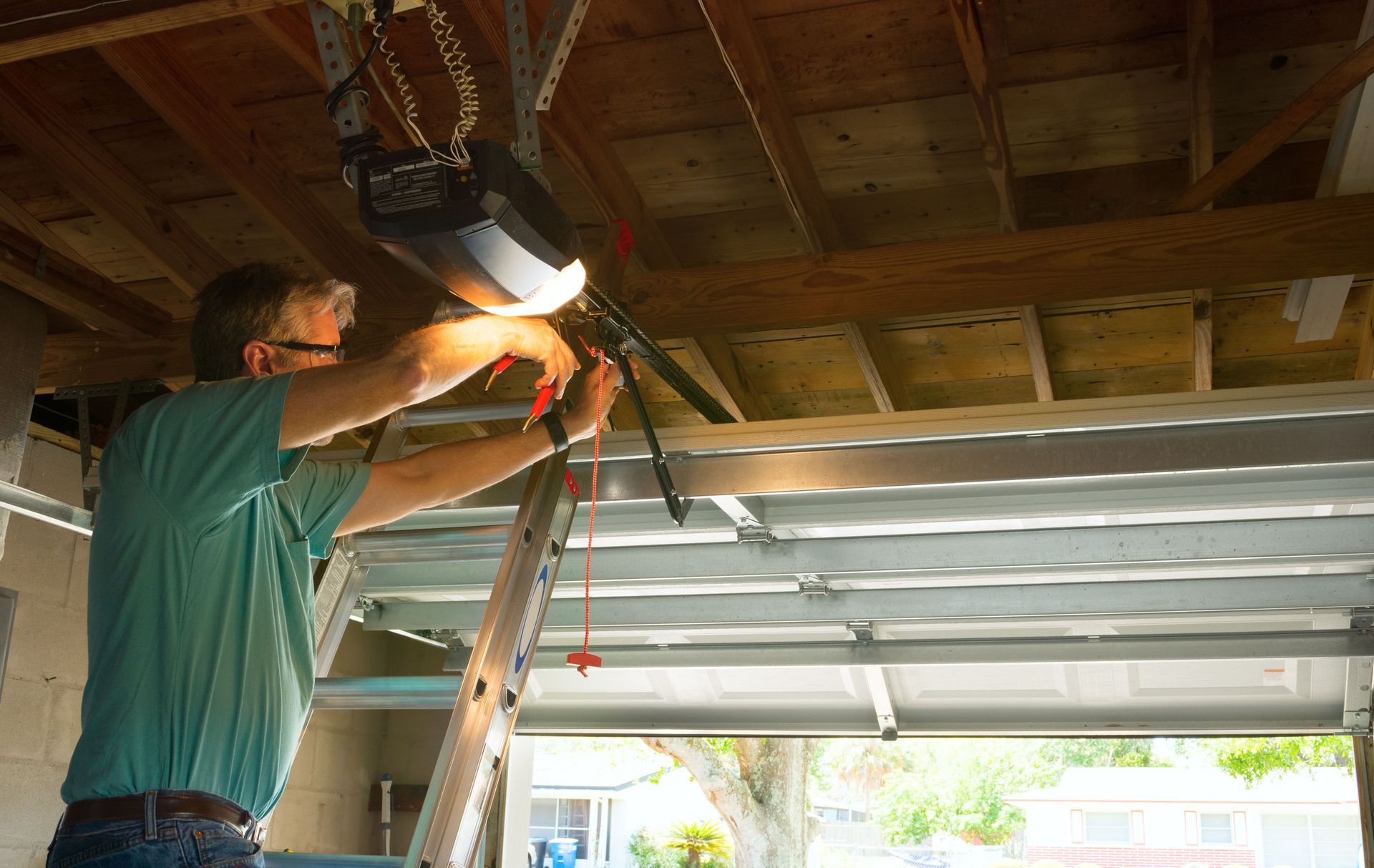
When deciding whether to install a garage door torsion spring or an alternative counterbalance setup for your unique garage design, partnering with experienced installation professionals ensures your components are sized, balanced, and installed safely. Incorrectly handling high-tension hardware can cause severe physical injury and damage expensive panels, making experienced trade execution essential for lasting peace of mind. Taking this proactive step protects your investment and guarantees smooth, dependable performance for thousands of cycles to come. For comprehensive mechanical evaluations, precise component balancing, and expert installation of a brand-new garage door torsion spring tailored specifically to your residential needs, contact Garage Door Guru to schedule your professional on-site consultation today.
Share On: