
Why You Should Never Ignore a Broken Garage Door Spring
Your garage door is likely the largest and heaviest moving part in your entire home. Every single day, you rely on this complex system to open smoothly, keep your vehicles secure, and provide convenient access to your property. However, behind that seamless movement is a delicate network of mechanical components working under immense strain. At the heart of this system lies the garage door torsion spring, a heavy-duty steel coil that does the heavy lifting required to raise hundreds of pounds of door. When this vital component functions properly, you barely notice it. Yet, when a garage door torsion spring fails, the entire operation comes to a sudden and dangerous halt. Ignoring the warning signs of a worn or broken spring is one of the most hazardous mistakes a homeowner can make. Understanding why this component is so critical can save you from costly property damage, severe personal injury, and inconvenient disruptions to your daily routine.
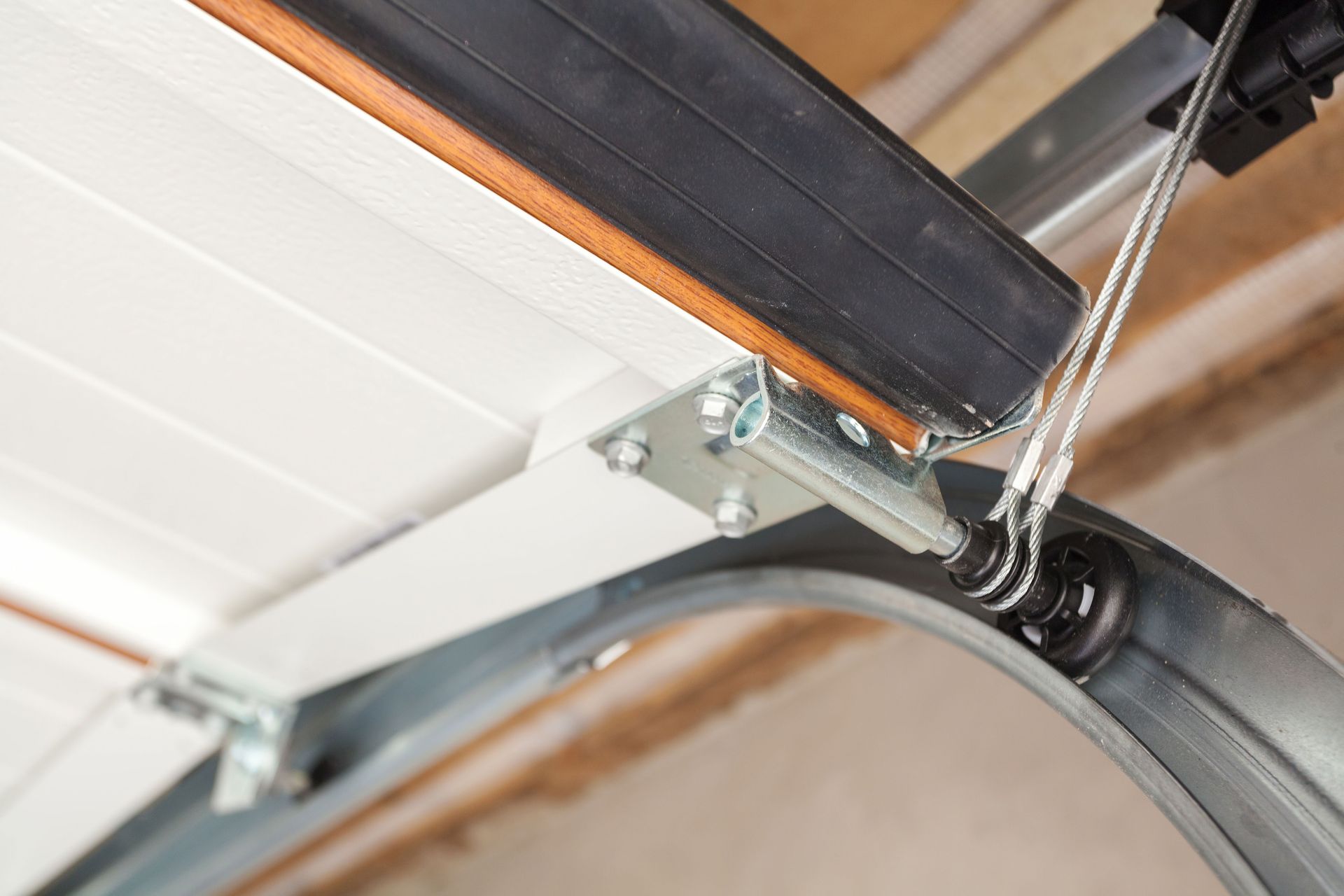
Many homeowners assume that the motorized opener does the actual heavy lifting when a garage door rises. In reality, the opener merely acts as the control mechanism that guides the movement, while the actual power comes from the counterbalancing force. The garage door torsion spring is mounted horizontally above the door opening, tightly wound on a metal shaft. As the door closes, heavy cable drums twist the coil, storing immense kinetic energy within the steel structure. When the door opens, that stored energy is released, effectively counterbalancing the weight of the door so it feels light enough to lift easily. Because these components endure intense twisting force every time the door moves, they experience inevitable metal fatigue over time. Every cycle weakens the steel slightly until the metal eventually snaps. Operating a system with a compromised spring puts extreme stress on every other mechanical part, leading to widespread system failure.
Recognizing the Warning Signs of a Failing Spring
A garage door torsion spring rarely fails without providing a few subtle warnings first. Being aware of these early indicators allows you to address the issue before a total mechanical breakdown occurs. One of the most obvious signs of trouble is a distinct visual gap in the coil mounted above your door frame. When a spring snaps, it unwinds violently, leaving a noticeable break between the coils. Another common symptom is a garage door that struggles to open or stops moving after rising just a few inches. This happens because the automated opener detects excessive weight and shuts down to prevent its motor from burning out. You might also notice that the door closes far too quickly or comes crashing down with dangerous force. Additionally, if you hear loud creaking, popping, or squeaking noises during operation, your system is signaling severe friction and mechanical stress that requires professional attention.
The Life Expectancy of Your Overhead Springs
Like every mechanical part subject to constant friction and tension, overhead balance systems have a finite operational lifespan calculated in movement cycles. According to Family Handyman, standard torsion springs are rated for about 10,000 cycles, which amounts to opening and closing your garage door an average of six times a day for five years. For busy households with multiple vehicles, daily usage can easily exceed that average, causing the garage door torsion spring to reach the end of its functional life much sooner than expected. Environmental factors like extreme temperature fluctuations, high humidity, and lack of routine lubrication can also accelerate wear and tear. Once a spring reaches its rated limit, the steel becomes brittle and vulnerable to sudden failure. Tracking the age and usage of your garage system helps you anticipate repairs before an unexpected break leaves your vehicle trapped inside.
The Serious Hazards of Attempting DIY Repairs
When faced with a broken garage door torsion spring, some adventurous homeowners attempt to handle the replacement themselves to save money. However, DIY spring repair is exceptionally dangerous and should never be attempted without specialized training and professional tools. The tension stored within a fully wound garage door torsion spring is powerful enough to break bones, cause severe lacerations, or inflict fatal injuries if a winding cone slips or a tool snaps during installation. Furthermore, incorrect handling can cause the heavy door to collapse unexpectedly, crushing objects or individuals underneath. Professional technicians undergo rigorous safety training and utilize specialized winding bars to manage high-tension steel safely. Attempting to bypass professional repair not only risks your physical safety, but it can also void equipment warranties and result in improper installation that damages your entire door mechanism.
Preventing Secondary Damage to Your Entire System
Continuing to operate your system after a garage door torsion spring breaks creates a severe cascading effect of damage throughout the entire assembly. When the primary lifting force is compromised, the electric opener attempts to pull the full, unassisted weight of the heavy door panel. This massive overload can rapidly burn out the opener motor, strip internal drive gears, and bend expensive drive tracks. Furthermore, the immense weight puts asymmetric strain on the lifting cables, rollers, hinges, and track brackets, causing them to warp or snap off entirely. What could have been a straightforward spring replacement can quickly escalate into a complete system overhaul requiring brand-new panels, cables, and motor units. Addressing a failed garage door torsion spring immediately prevents unnecessary wear on surrounding parts, keeping overall repair costs manageable and protecting your investment.
Securing Your Home and Maintaining Daily Convenience
A broken overhead spring is far more than a minor mechanical annoyance; it is a major security vulnerability and a severe disruption to your lifestyle. When a spring snaps while the door is open, the door may drop instantly, leaving your garage, belongings, and home interior exposed to intruders and harsh weather elements. Conversely, if the spring fails while the door is closed, your vehicle becomes trapped inside, preventing you from getting to work, school, or critical appointments. Attempting to manually force open a heavy door with a snapped spring can cause severe back injuries or pull the door entirely off its overhead tracks. Prompt professional intervention restores proper balance, ensures smooth automated operation, and guarantees that your property remains fully secure against outside threats at all times.
Choosing Experienced Professionals for Lasting Repairs
Properly repairing a high-tension counterbalancing system requires precision engineering, correct component sizing, and meticulous adjustment. Every garage door requires a specific spring weight rating, wire diameter, and coil length tailored strictly to its exact size and material weight. Installing an incorrectly sized
garage door torsion spring causes improper balance, causing the door to slam shut or fly open uncontrollably. Expert technicians evaluate your entire system, measure the exact specifications, and install high-grade replacement parts designed for optimal durability. Additionally, professionals adjust cable tension, lubricate moving parts, and conduct comprehensive safety tests to ensure every component works in perfect harmony. Investing in skilled repair work delivers peace of mind, smooth performance, and long-term reliability for your entire home access system.
Do not let a broken overhead spring compromise your safety, daily routine, or property security. Since 2001, Garage Door Guru has been the premier choice for reliable overhead door solutions, proudly serving Ft Mill, SC with dedicated craftsmanship. Whether you need a routine maintenance inspection, a precise component replacement, or 24/7 emergency services available when the unexpected happens, our team is ready to assist you. We offer free estimates to ensure you receive complete clarity and honest recommendations before any work begins. Contact us today to schedule your service and restore safe, dependable operation to your home.


Share On: