
Common Garage Door Spring Issues and How Experts Fix Them
Your garage door is an essential part of your home, providing security and ease of access at the touch of a button. At the heart of its operation are the garage door springs, critical components that bear the weight of the door and allow it to move smoothly. Despite their importance, they're often overlooked until they malfunction. Understanding common garage door spring issues is not only beneficial for maintaining your garage door's functionality but also crucial for ensuring your family's safety. By discussing these common issues, homeowners can mitigate potential hazards and possibly save on costly repairs.
Identify Visible Gaps in Garage Door Springs
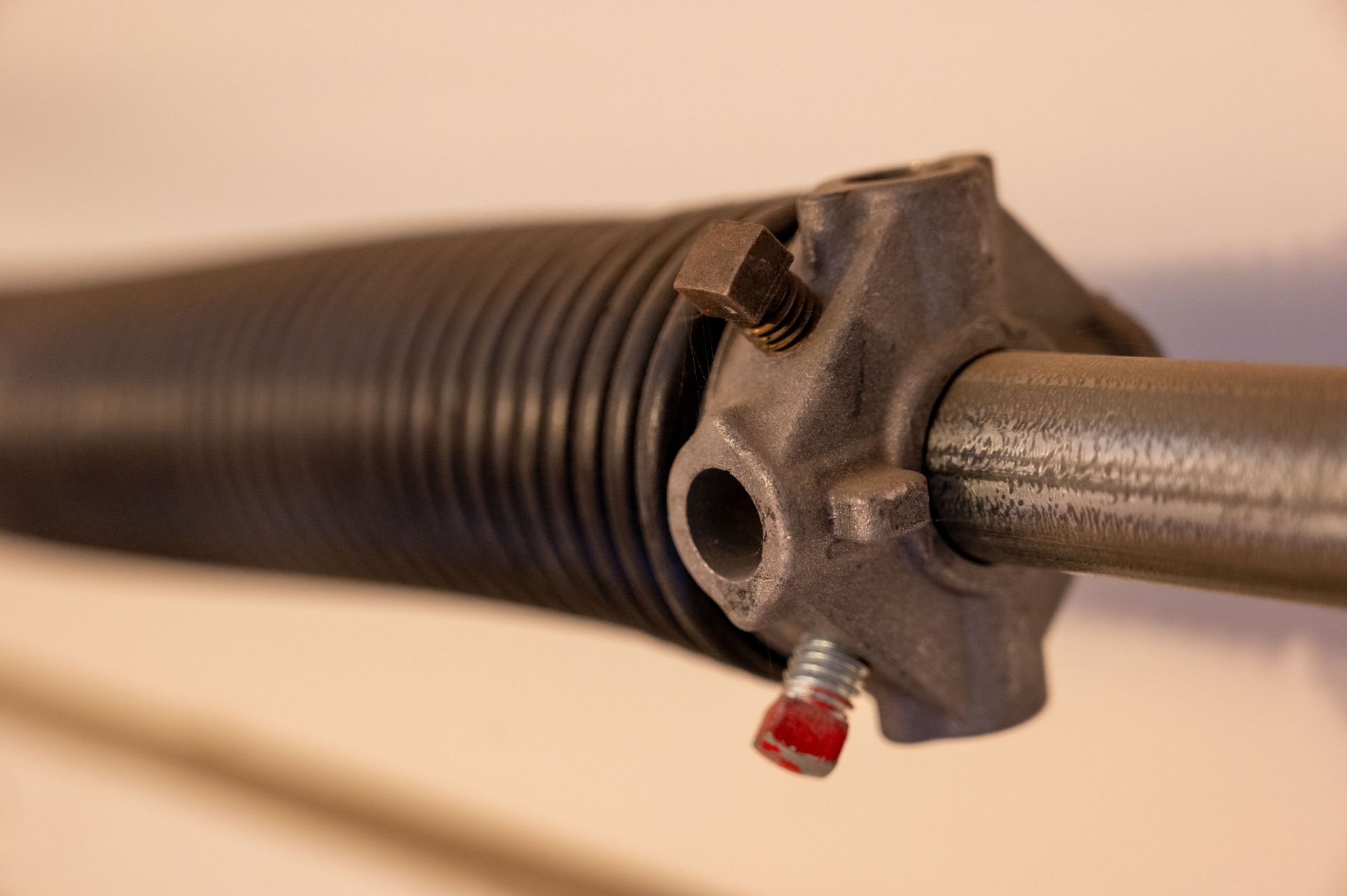
Visible gaps in the garage door springs are a blatant sign of malfunctioning. They occur primarily due to the spring reaching or exceeding its cycle limit. When heightened tension causes these gaps, the spring loses its essential elasticity, and the weight balance for the garage door is compromised. According to This Old House, most garage doors last at least 15 years and as long as 30 years, depending on usage, build quality, upkeep, and climate, making regular spring inspections crucial to prolonging their lifespan. To avoid further damage, experts recommend inspecting the springs regularly for such visible signs of wear and addressing them promptly when noticed.
Aside from stress and wear over time, other factors, such as poor installation or inferior quality of the springs, can expedite the appearance of these gaps. Engaging professional services ensures that proper preventive measures are incorporated during installation, using high-quality springs suited for the weight and size of the door. It’s crucial to understand that attempting DIY fixes to close the spring gaps could lead to further complications and safety hazards. In cases like these, professional intervention is advised to ensure precision and safety.
Addressing tiny gaps when they appear is much safer and more cost-effective than handling an emergency stemming from a completely broken garage door spring. Experts possess the required knowledge and tools necessary for handling these intricate components safely. By recognizing this issue early, homeowners can avert significant operational failures and reduce maintenance costs.
Listen for Loud Noises During Operation
Loud noises emitted during the operation of your garage door can also hint at underlying issues with the door springs. These noises often resemble popping or banging, which are typical sounds of a spring snapping under undue stress. A functioning spring should facilitate smooth and silent movement of the door, so any deviation may merit a professional examination. Noise issues can also indicate misalignment or lubrication problems, which an expert assessment can effectively address.
Beyond the immediate concern of noise, ignoring these signs can result in not only further harm to the garage door system but also heightened repair expenses. If left unresolved, the best-case consequence is an immobile garage door, while the worst-case scenario involves personal injuries from a falling door. Thus, dealing with noise issues when they arise ensures both security and functionality remain intact. Professional maintenance services ensure that any mysterious bangs or rattles are diagnosed and treated before more costly failures occur.
Technicians who are well-versed in garage door dynamics can identify whether the loud noise is due to torsion spring problems or other factors. Investing in regular maintenance and acting on warning signs like unusual noises safeguards against further wear to the system. It keeps the routine usage of the garage door unhindered. Prioritizing professional inspections ensures that no underlying problem goes unaddressed.
Watch for Uneven Garage Door Movement
Noticeable uneven movement when operating your garage door should alert you to potential problems with the springs. When garage door springs malfunction, one of the first symptoms is the door failing to rise or lower in a uniform way. Commonly, this is caused by differential tension in the springs, which can distort the door’s alignment. Often, an imbalance stresses the motor and additional components, leading to premature failures if not addressed quickly.
Expert technicians can deftly identify the root cause of uneven movement, whether it pertains directly to the springs or involves auxiliary parts of the system. Solutions might involve balancing the tension across springs or replacing individual damaged springs to restore harmony in the mechanism’s function. This expertise equates to improved longevity and performance, and avoids exacerbating the wear on related mechanical parts. Given the intricate nature of the spring system, professional assistance is the prudent path when confronted with this issue.
Homeowners must recognize that intervention is necessary once they observe signs like uneven motion, rather than assuming the problem will rectify itself. Proper alignment restored by professionals ensures the weight of the garage door is adequately distributed, which is paramount for both safety and reliability. Avoiding or delaying repair exacerbates mechanical stress, ultimately leading to higher expenses, reinforcing the importance of timely professional service. These preventive measures pave the way for uninterrupted convenience and protection from unwarranted technical failures.
Notice Unusual Garage Door Speeds
Garage doors that open or close at unusual speeds often bear one of the classic symptoms of spring malfunction. If the door suddenly shifts at a faster pace, it could be indicative of a broken spring, making the door lighter and less supported. Conversely, if the door moves sluggishly, this usually points to a spring losing tension, unable to fully counterbalance the door's weight. For practical and safety considerations, variations from the expected operating speed should be promptly examined.
Consistent operation speed is typically regulated by functioning springs that ensure the door's weight is appropriately counterbalanced. Deviations are usually an early warning that one or more springs may be nearing the end of their lifespan, needing replacement to restore optimal operation. Delay in addressing these issues not only poses a risk of door failure but may also cause unnecessary wear on the door’s motor, equating to avoidable repair costs. In these instances, reaching out to a seasoned technician for an evaluation is a sound decision.
Perform a Manual Lift Test to Detect Problems
The manual lift test is a practical approach for detecting spring issues, whereby the door should lift effortlessly and remain open without additional support. When a garage door struggles or fails in the manual test, poor-performing springs are likely the culprit. This failure occurs when the springs offer insufficient tension to counter the weight of the door, which should naturally balance. Such indicators suggest examining the springs to determine if replacement is necessary.
During this test, assessing resistance and balance provides insights into potential spring problems and how they can affect daily operations. When resistance is noticeably more challenging, or the door doesn't stay open, it's an alert for neglected spring conditions needing urgent attention. Conducting regular manual tests as part of your maintenance routine ensures that any loss of spring integrity is caught early. Professionals are equipped to assess and resolve these technical issues, saving homeowners the hassle of dealing with an immobile or malfunctioning door.
Garage door springs are pivotal components that, when impaired, can disrupt day-to-day convenience and pose significant safety risks. This article examined the intuitive signs of spring failures, such as visible gaps, loud noises, uneven movement, abnormal speeds, and manual lift test failure. Addressing these signs promptly through professional services enables homeowners to maintain operational integrity and extend the garage doors' lifespan. Investing in regular inspections and acting on warning signs protects not just from unexpected breakdowns but also ensures a safer home environment. An attentive approach to spring maintenance fosters dependable performance, ultimately safeguarding against the considerable costs and stress of emergency repairs. Reach out to Garage Door Guru to learn more about our services today.


Share On: