
Understanding the Importance of Garage Door Safety Mechanisms
A properly functioning garage door helps protect your household, vehicles, and belongings while providing convenient access to your home. However, because these systems involve heavy panels, moving components, and mechanical tension, they can present safety risks when something goes wrong. Understanding the mechanisms designed to reduce these risks can help homeowners recognize potential problems and maintain a safer environment.
From automatic reversing functions to spring systems and emergency release features, several components contribute to safe operation. Regular inspections and timely repairs also help ensure these mechanisms work as intended.
How Door Safety Mechanisms Protect Your Garage and Household
Automatic Reversing Systems Prevent Accidents
Automatic reversing systems help prevent injuries and property damage by stopping a closing door when an obstruction is detected. Depending on the system, the door may reverse direction when something interrupts its path or when the opener encounters unexpected resistance. This function is particularly important in households where children, pets, and vehicles regularly move through the opening.
According to This Old House, the Consumer Product Safety Commission requires garage door openers manufactured after 1993 to incorporate two automatic reversing safeguards, including photo-eye sensors and pressure-sensitive operation. These requirements highlight the importance of having mechanisms that respond when a closing door encounters an obstacle. Homeowners should understand that these features are not substitutes for supervision, and people should never attempt to test them by placing themselves or others in the door's path.
Emergency Release Features Provide Manual Control
An emergency release allows homeowners to disconnect the opener from the door so it can be operated manually when necessary. This feature can be useful during a power outage or when the opener stops working. Knowing how the release operates before an emergency occurs can make it easier to respond appropriately without making rushed decisions.
However, manual operation is not always safe. If a door is unusually heavy, crooked, stuck, or difficult to lift, a broken spring or another mechanical problem may be responsible. Attempting to force it open could cause the door to fall unexpectedly. Homeowners should avoid disengaging the opener when the door is unstable and contact a qualified technician to evaluate the problem.
Spring Systems Help Control Door Movement
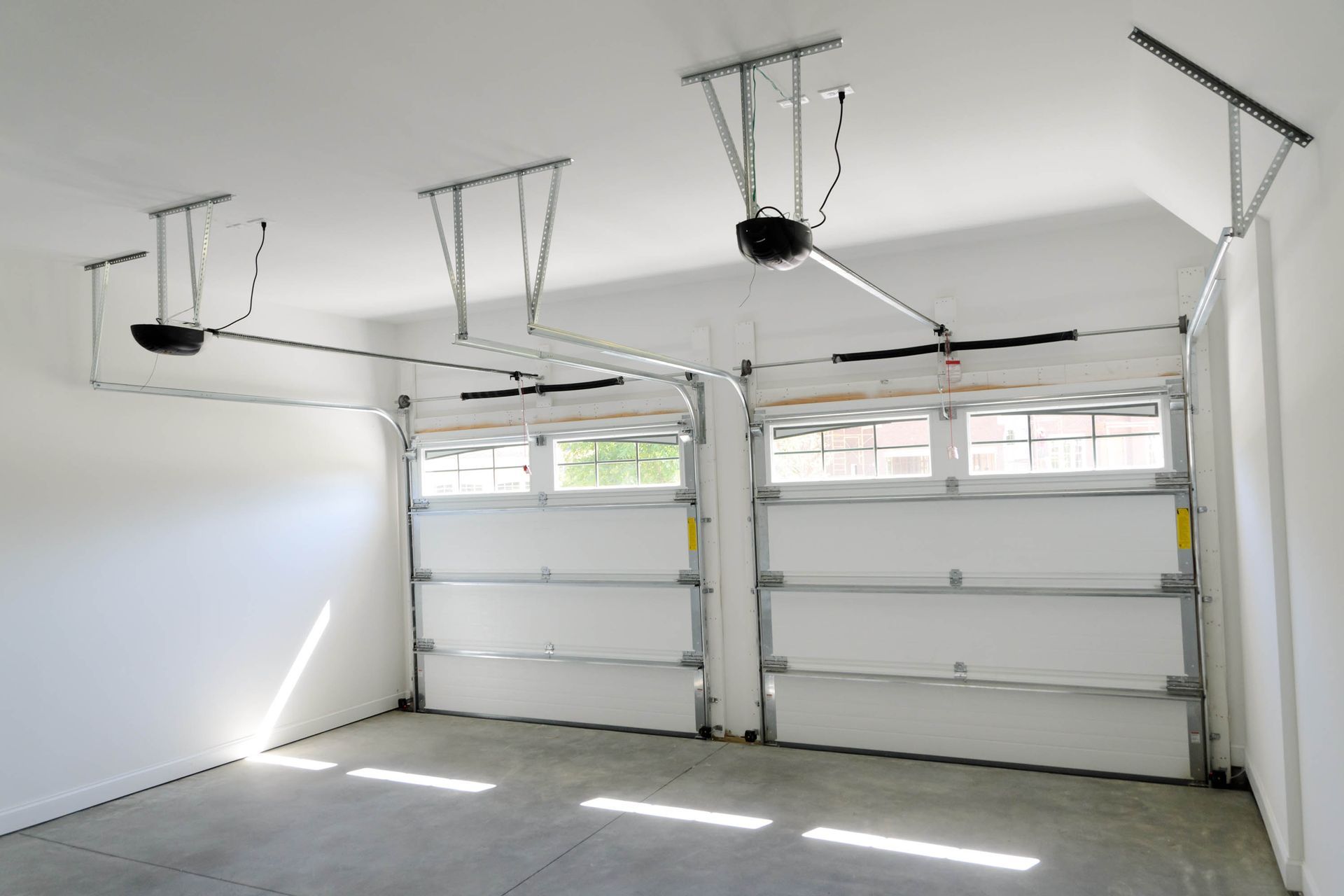
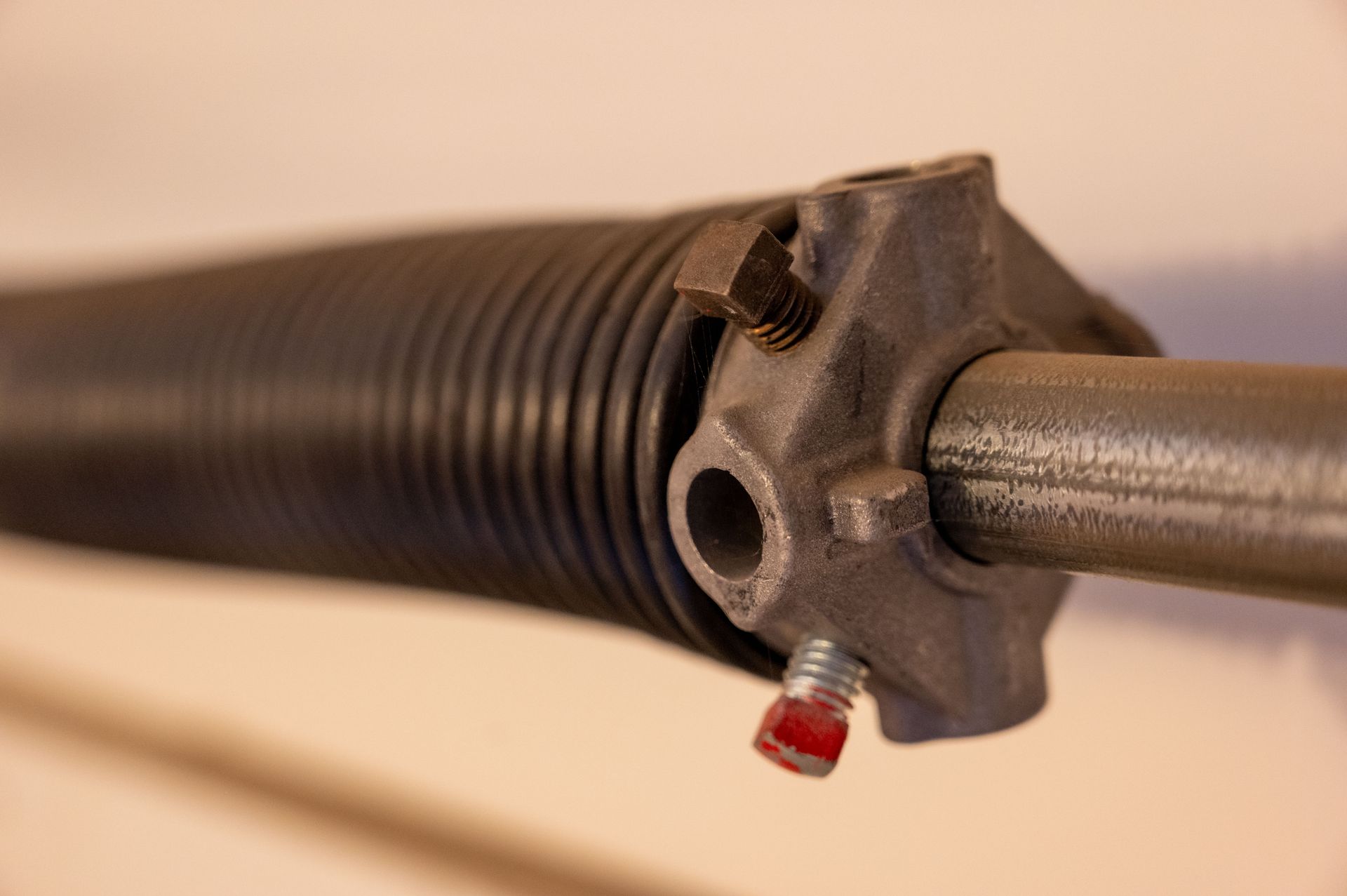
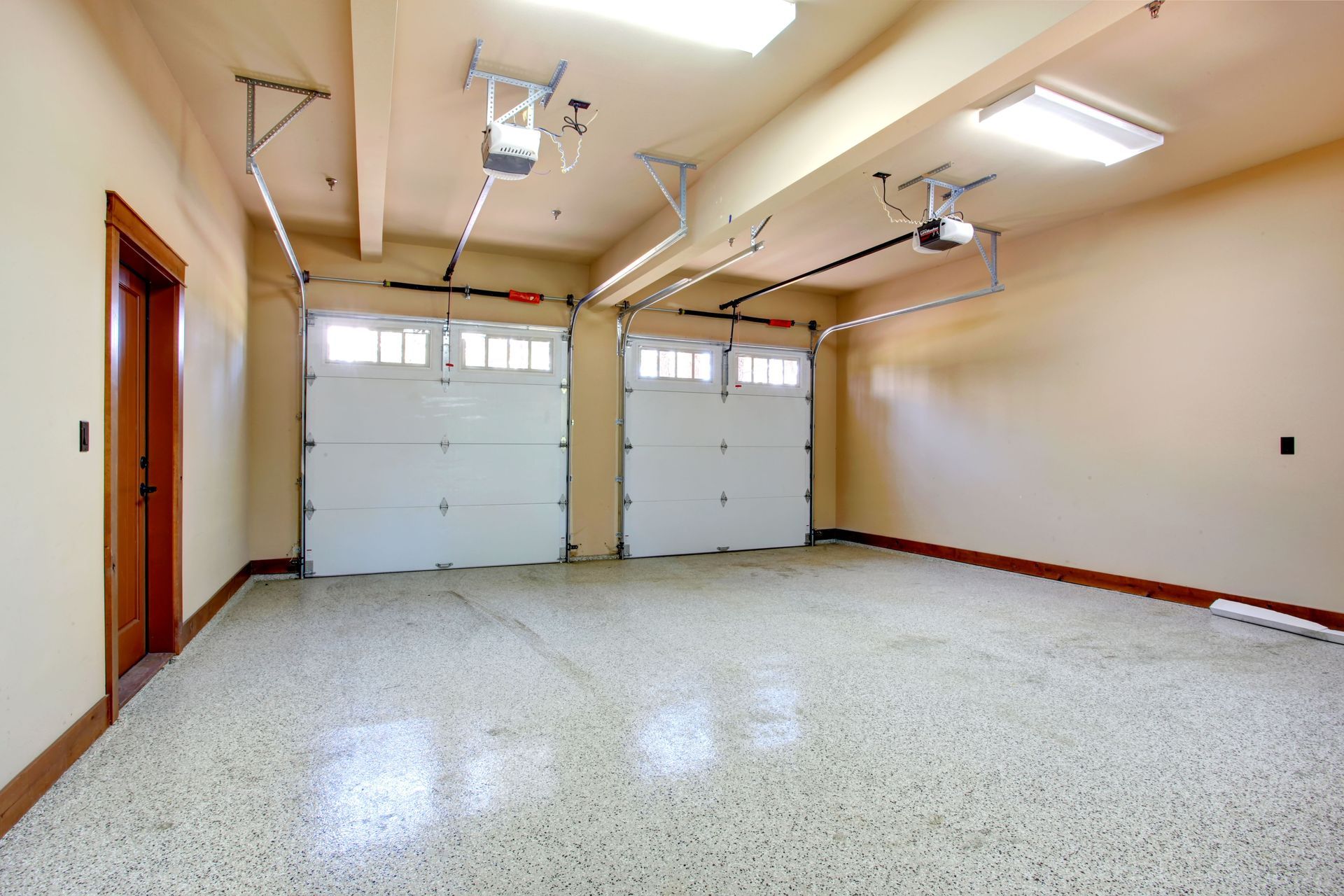
Garage doors rely on counterbalance springs to offset much of their weight, allowing the system to open and close in a controlled manner. Torsion springs, typically mounted above the opening, and extension springs, generally positioned alongside the horizontal tracks, perform this essential function through different mechanical arrangements. Both types operate under substantial tension.
When springs become worn, damaged, or broken, the door may become difficult to lift or may move unevenly. The opener may also experience additional strain because it is no longer receiving the assistance needed to move the door properly. Since spring failure can result in sudden movement and serious injury, homeowners should leave spring adjustments and replacements to trained professionals rather than attempting repairs themselves.
Why Components Supporting Safe Operation Are Essential
Tracks, Rollers, and Cables Keep Movement Controlled
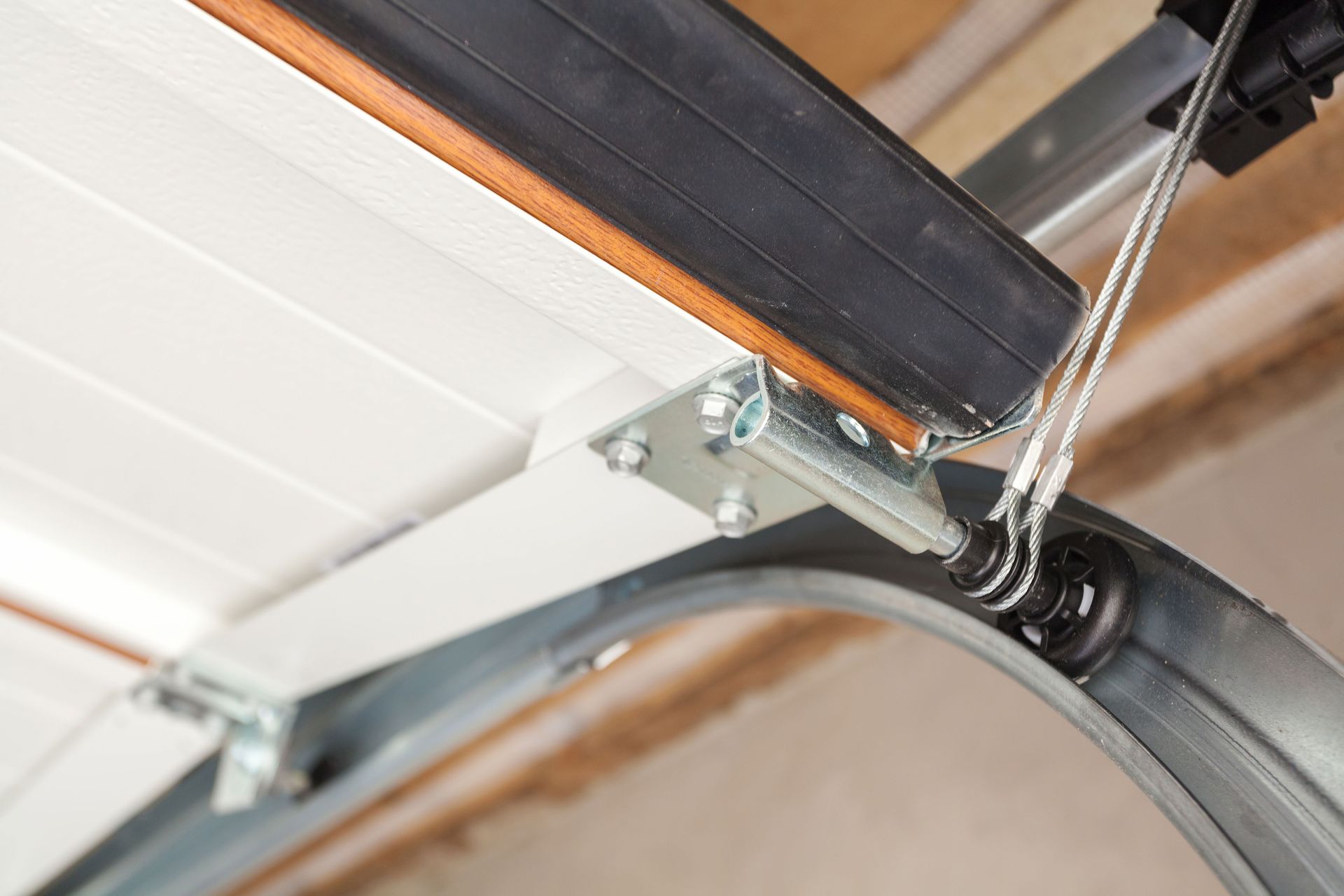
Garage door tracks and rollers guide a door along its intended path, while lifting cables help support and move the door as the counterbalance system operates. These components must remain properly aligned and in suitable working condition to prevent irregular movement. Bent tracks, worn rollers, loose hardware, and frayed cables can interfere with normal operation and create additional stress throughout the system.
Warning signs may include grinding noises, jerky movement, visible cable damage, or gaps between rollers and tracks. A door that shifts to one side or appears crooked should also receive prompt attention. Continuing to operate it despite these symptoms can worsen the damage and increase the likelihood of a more serious mechanical failure.
Homeowners can visually inspect accessible components for obvious damage without touching cables, springs, or other tension-bearing parts. If anything appears loose, bent, or worn, professional evaluation is the safest next step. A technician can determine whether adjustment, component replacement, or more extensive repairs are necessary to restore smooth movement.
Opener Controls and Wall Switches Support Safer Use
The opener provides powered movement, but the controls also play an important role in safe operation. Wall-mounted switches, remote controls, and other operating devices should function correctly so users can stop or operate the door as intended. Controls should remain accessible to responsible household members while being positioned and managed in ways that reduce the risk of accidental activation by young children.
Homeowners should pay attention to inconsistent operation, delayed responses, unusual sounds, or a motor that continues running without moving the door correctly. These symptoms may indicate an opener problem, an obstruction, or resistance elsewhere in the system. Repeatedly activating the opener without identifying the cause can put additional strain on mechanical components.
Garage door openers should never be treated as a substitute for a properly balanced door. If the door struggles to move, reverses unexpectedly, or stops before reaching its intended position, the underlying issue needs to be identified. A professional can inspect the opener alongside the door's mechanical components to determine whether the problem involves the motor, controls, counterbalance system, or another part of the assembly.
Door Panels and Hardware Contribute to Structural Stability
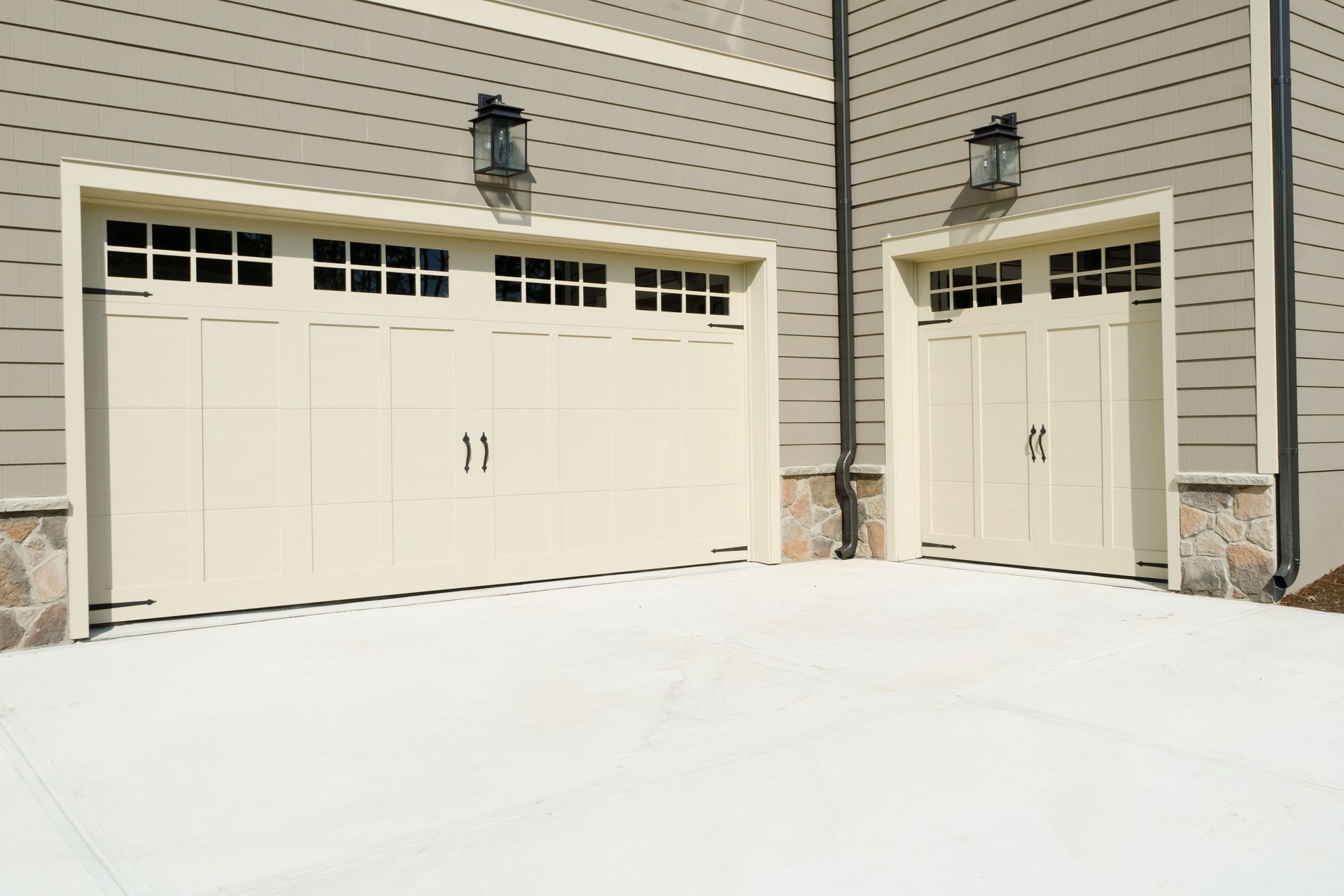
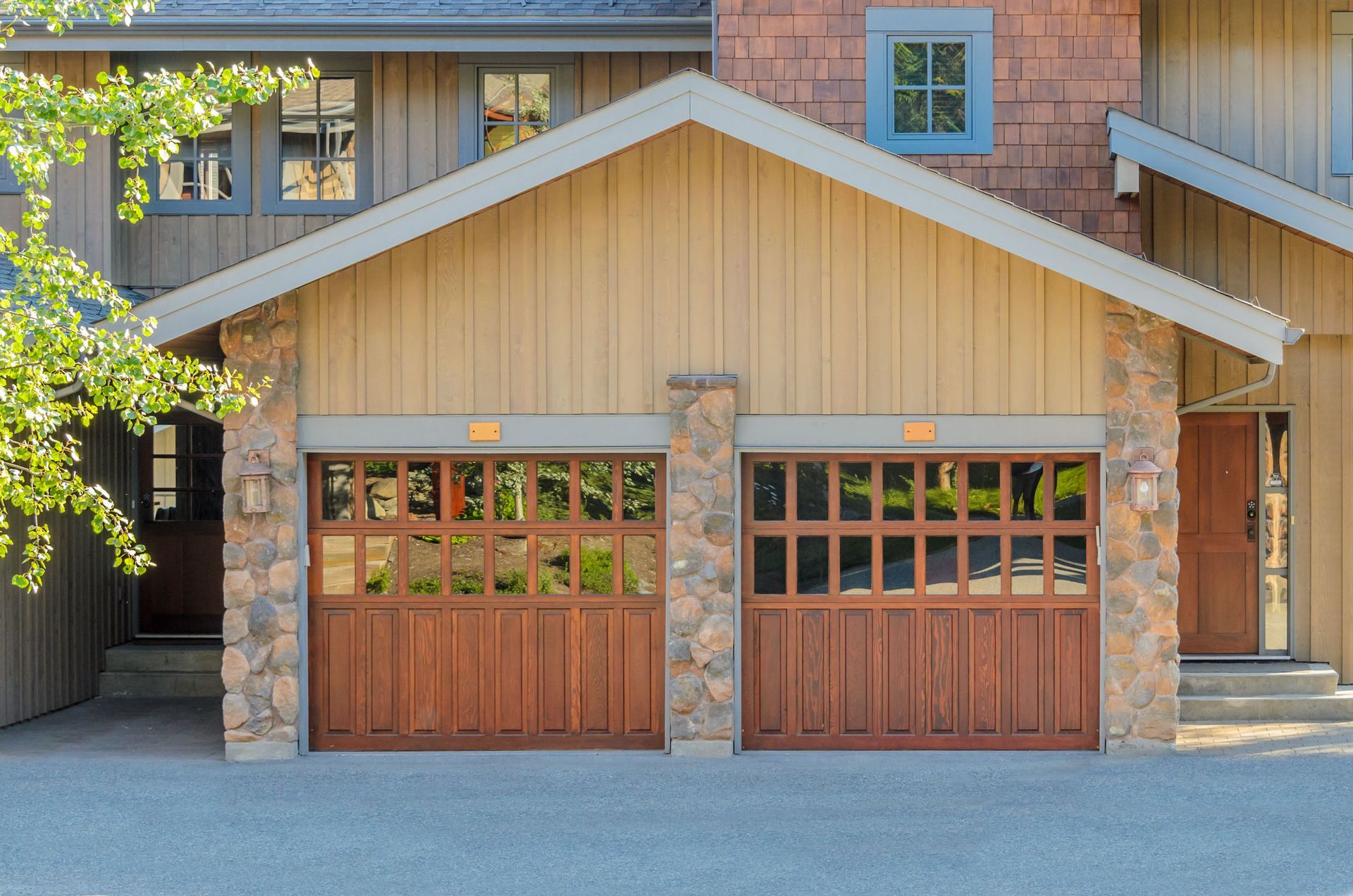
The door itself must remain structurally sound for its safety mechanisms to function effectively. Panels, hinges, brackets, and fasteners work together to support the door as it travels along the tracks. Damage to these parts can affect alignment and place uneven loads on other components, potentially creating problems that are not immediately obvious during everyday use.
Visible cracks, bent panels, loose hinges, and deteriorating fasteners deserve attention. Even seemingly minor damage can become more significant when repeated opening and closing places additional stress on the affected area. Homeowners should also consider whether an older door has developed problems that make repair less practical than replacement.
Safety Brackets and Mounting Hardware Help Prevent Failures
Safety brackets and mounting hardware help keep a garage door's supporting components securely connected during operation. Brackets hold tracks, hinges, and other parts in position, while properly secured fasteners help maintain alignment as the door repeatedly opens and closes. When these connections weaken or become damaged, the door may shift out of position or place additional stress on nearby components.
Homeowners should watch for loose brackets, missing fasteners, visible corrosion, or hardware that appears to have shifted. These issues may affect the door's stability and interfere with smooth movement. Although visual inspections can help identify obvious concerns, adjustments to load-bearing brackets and hardware should be handled by a qualified technician, particularly when the components support heavy door sections or connect to tension-bearing systems.
Choosing a suitable replacement when necessary can help restore dependable operation and improve the overall condition of the opening. Proper installation is equally important because incorrect alignment, unsuitable hardware, or poorly secured mounting points can undermine the performance of an otherwise durable product. A qualified installer can assess the structure and ensure the door and its supporting components are appropriate for the application.
Garage door safety depends on the combined performance of mechanical components, operating controls, and protective mechanisms. By monitoring changes in operation, arranging timely inspections, and leaving hazardous repairs to qualified professionals, homeowners can reduce avoidable risks and keep their systems functioning reliably. If your door shows signs of damage or its safety features are not working correctly, contact Garage Door Guru to arrange an inspection and discuss the appropriate repair or replacement options.
Share On: