
A New Homeowner's Guide to Garage Door Maintenance
Moving into a new home introduces an exciting blend of fresh opportunities and unique property management responsibilities. Among the various mechanical systems, architectural features, and utility networks that support daily household life, the main overhead garage entrance stands out as one of the most frequently operated moving structures on the entire parcel. Beyond serving as a convenient vehicular entry point and a primary storage portal, an overhead door serves as a critical component of home security, thermal insulation, and exterior curb appeal. However, because overhead door mechanisms function smoothly behind the scenes day after day, many new homeowners overlook routine care until noisy operation, jerky movements, or complete mechanical failures occur. Neglecting basic upkeep places unnecessary strain on electric opener motors, accelerates hardware wear, and exposes household members to unexpected safety hazards.
Establishing a proactive maintenance routine empowers new property owners to preserve mechanical reliability, extend equipment lifespans, and protect home equity. An overhead entry system operates through a complex interplay of high-tension springs, steel lift cables, ball-bearing rollers, track channels, and automatic safety sensors working under substantial physical tension. Understanding how these mechanical components interact allows homeowners to identify subtle warning signs, perform safe routine checks, and know precisely when to engage professional service specialists. Prioritizing routine care keeps operating mechanisms quiet, prevents sudden off-track disruptions, and maintains airtight weather seals throughout changing seasons. Exploring essential care practices reveals how visual inspections, proper lubrication, balance testing, safety sensor alignment, and weatherproofing work together to ensure effortless daily performance and lasting property value.
Conducting Monthly Visual Inspections and Auditory Checks
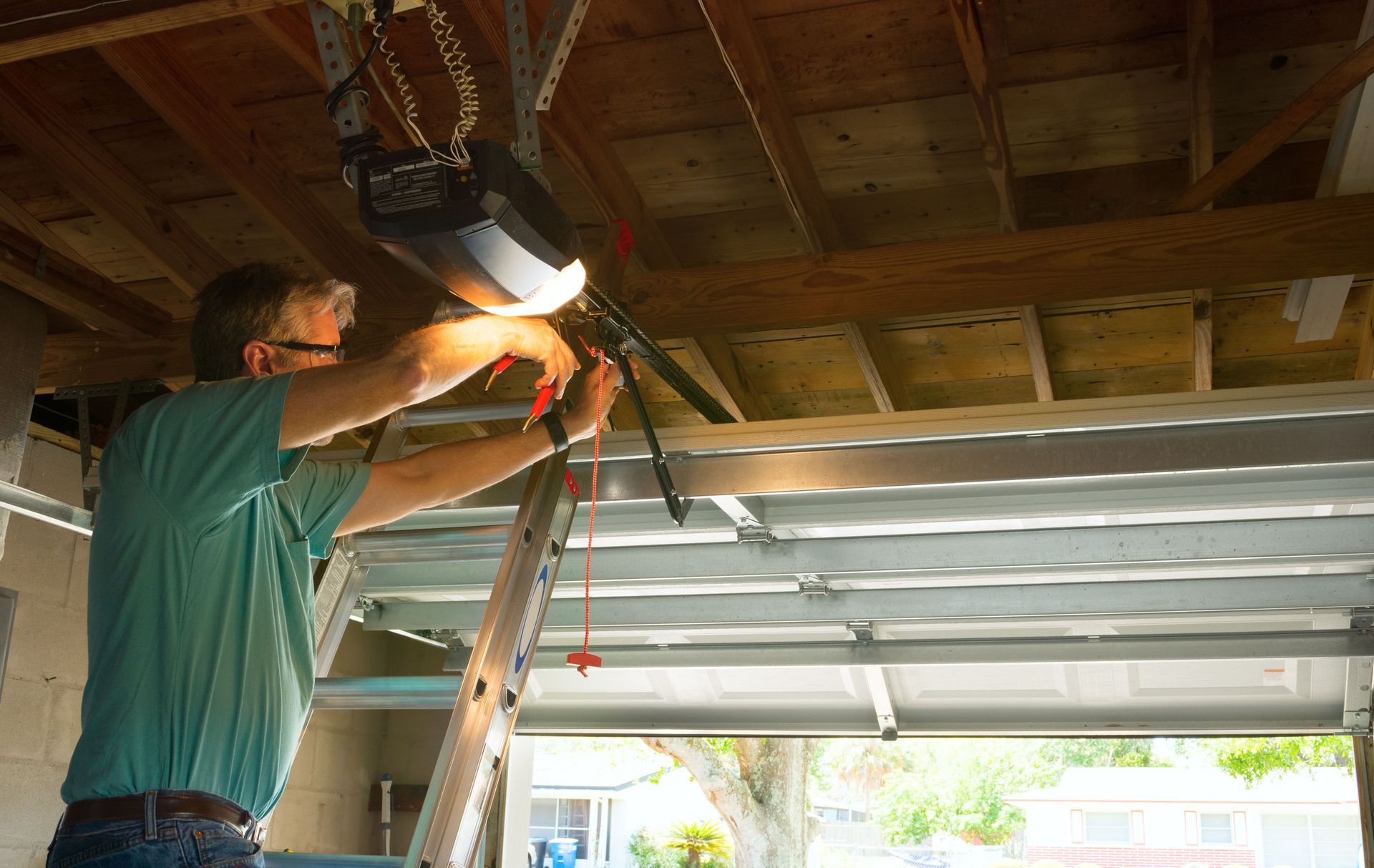
Executing a thorough visual and auditory inspection every month represents the foundational step in identifying minor hardware wear before it escalates into severe mechanical failure. Homeowners should observe the entire system in motion, watching for jerky movements, awkward shuddering, or uneven lifting across side tracks. Listening closely during opening and closing cycles helps detect unusual grinding, scraping, squeaking, or popping sounds that signal unlubricated rollers, loose brackets, or misaligned track channels.
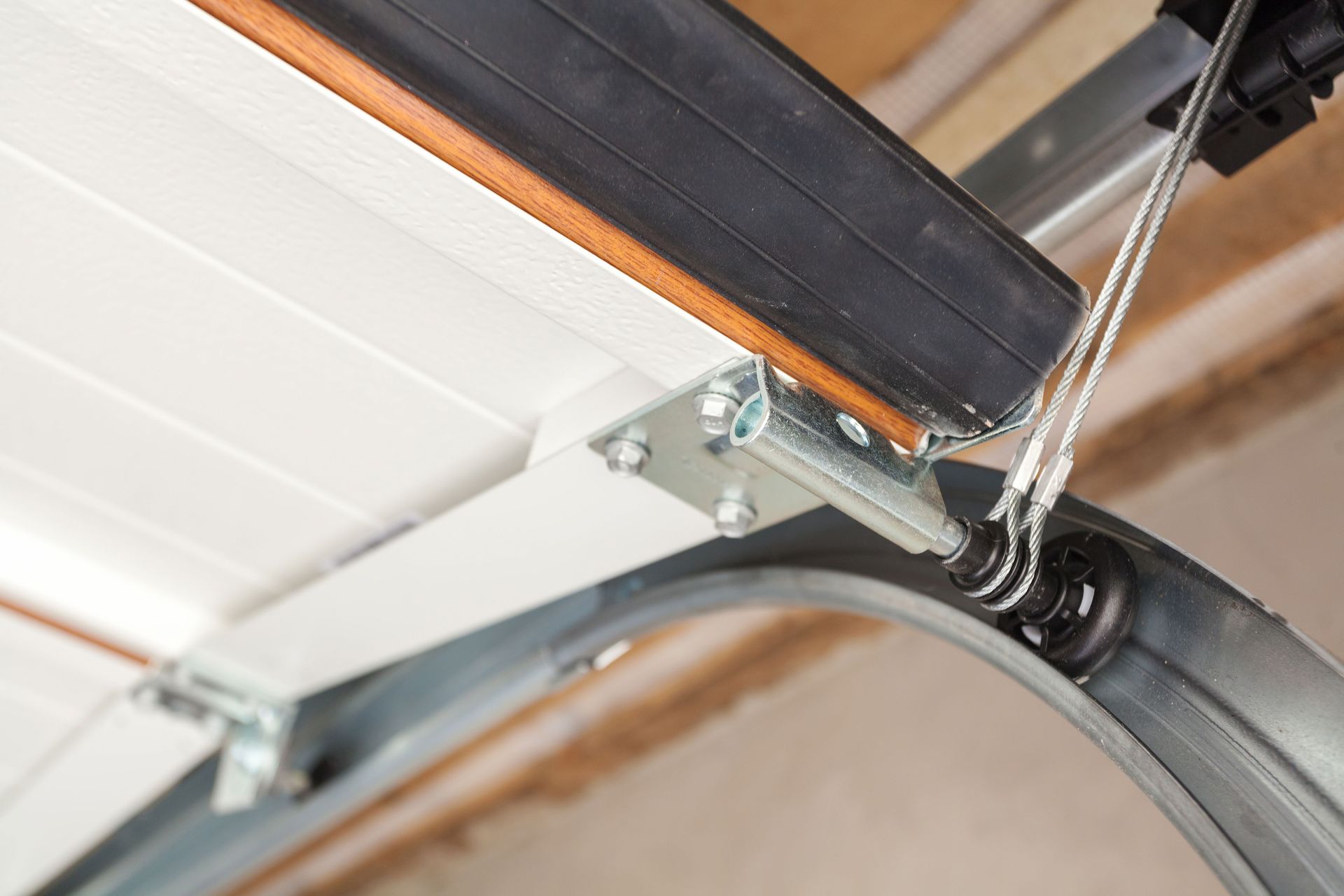
Inspecting physical hardware components involves examining steel lift cables for fraying, checking track sections for dents or rust, and verifying that mounting brackets remain firmly anchored to wall framing. Furthermore, looking at individual panel sections reveals subtle stress cracks, wood rot, or aluminum denting caused by weather exposure or accidental impacts. Catching minor visual defects early allows property owners to schedule timely adjustments, keeping every garage door operating safely, smoothly, and quietly month after month.
Lubricating Moving Hardware and Mechanical Pivot Points
Applying proper lubrication across all moving metal components reduces friction, minimizes mechanical noise, and prevents premature surface corrosion. High-tension springs, roller bearings, metal hinges, track curves, and lift cable pulleys endure continuous physical friction during every operational cycle. Without adequate lubrication, metal-on-metal contact causes rapid component wear, places excessive drag on electric opener motors, and produces harsh screeching noises during movement.
Homeowners should apply a specialized silicone-based or white lithium aerosol lubricant to metal hinges, roller stems, torsion springs, and end bearings every few months. It remains crucial to avoid using heavy automotive grease or standard penetrating oils, as these substances attract dirt, dust, and abrasive debris that gum up track channels. Maintaining well-lubricated mechanical hardware ensures that your garage door glides effortlessly along track curves while extending the operational lifespan of internal opener gears.
Testing Door Balance and Torsion Spring Tension
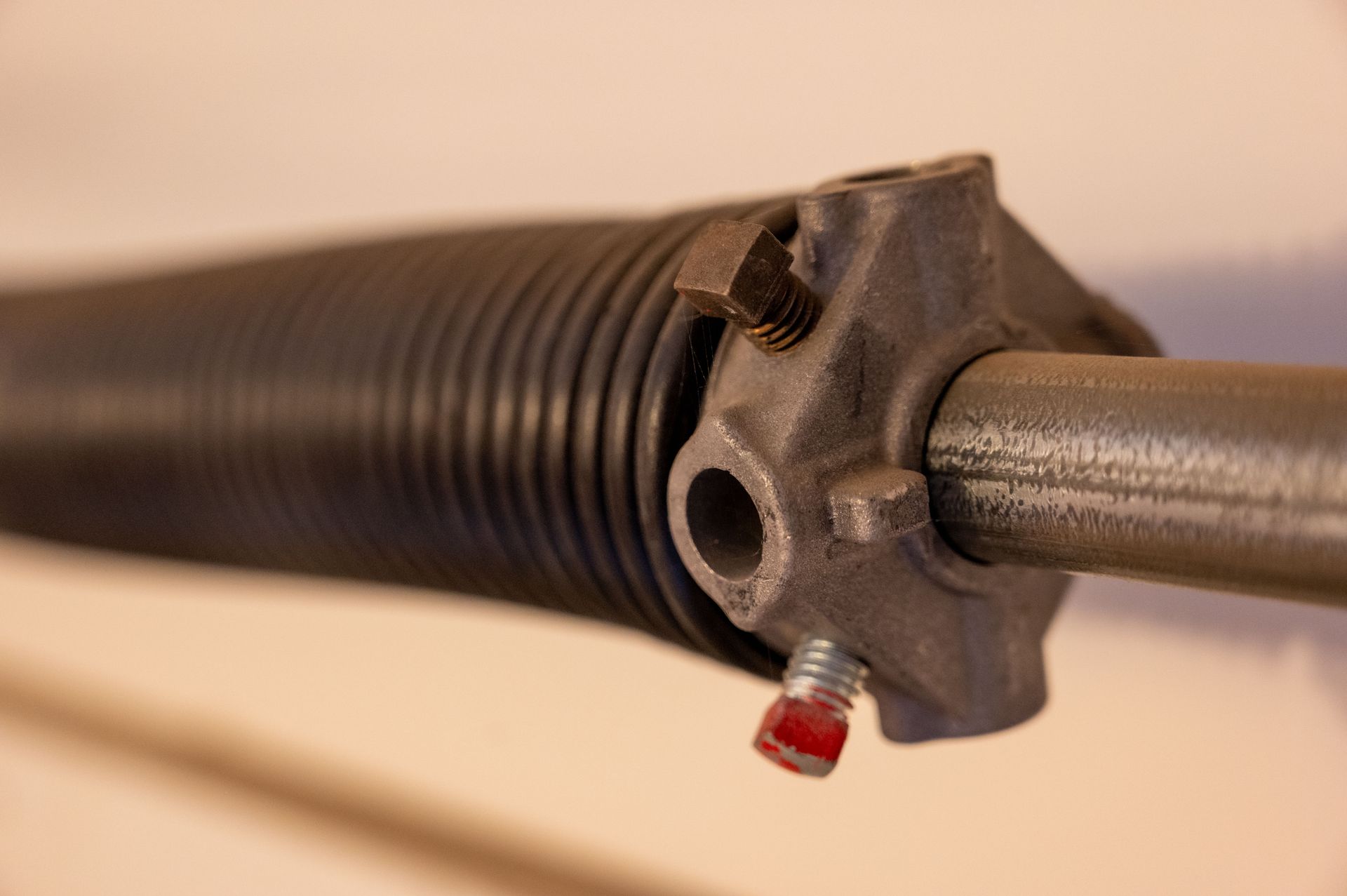
Testing the physical balance of your overhead entrance ensures that spring assemblies are properly counterbalancing the heavy physical weight of door panels. Torsion and extension springs bear the primary weight of the door, allowing electric openers or manual hands to lift heavy panels with minimal effort. Over time, spring steel naturally stretches and loses tension, causing doors to become heavy, unbalanced, and difficult to operate smoothly.
To test balance, disconnect the automatic opener by pulling the red emergency release cord while the door is fully closed, then manually lift the door halfway up. A properly balanced door will remain suspended in place supported by spring tension alone, whereas an unbalanced door will slam shut or snap open rapidly. Attempting to adjust high-tension springs without specialized tools presents extreme physical danger due to stored mechanical energy. Relying on certified specialists to adjust spring tension guarantees that your garage door remains perfectly balanced, protecting opener drive gears from premature burnout.
Clearing Track Channels and Aligning Vertical Guide Rails
Clearing track channels of built-in debris and checking vertical rail alignment prevents door rollers from binding or jumping out of track grooves. Over time, dust, cobwebs, dried leaf debris, and small pebbles accumulate inside lower track curves, obstructing smooth roller travel. Furthermore, accidental bumps from lawnmowers, trash cans, or vehicle bumpers can nudge vertical tracks out of plumb alignment, causing rollers to bind tightly inside steel channels.
Cleaning track channels involves wiping down inner surfaces with a damp cloth to remove grit and old grease accumulation. Homeowners can check track alignment by placing a spirit level against vertical rails and tightening loose mounting bolts along support brackets. If tracks display severe bends, structural twists, or wide gaps between rollers and rail lips, professional realignment becomes necessary. Ensuring clean, perfectly aligned tracks guarantees that your garage door travels along its intended path without sticking or jamming midway through cycles.
Replacing Weatherstripping and Evaluating Property Equity Gains
Replacing worn bottom weather seals and perimeter vinyl stripping maintains airtight thermal protection while enhancing overall home market valuation. Bottom rubber seals compress against concrete floor slabs to block rainwater infiltration, windborne dust, insects, and cold drafts from entering garage interiors. Over time, extreme sun exposure and temperature shifts cause rubber seals to crack, flatten, or tear, allowing energy loss and moisture intrusion across threshold lines.
Installing new, flexible bottom seals and perimeter weatherstripping improves home energy efficiency and protects stored items from environmental moisture. Beyond immediate thermal comfort, maintaining or upgrading your main entrance delivers exceptional financial returns when evaluating real estate investment value. According to This Old House, garage door replacement is consistently among the top home improvement projects for ROI, returning more than 193% of the project’s cost through increased home value. Investing in a well-maintained, high-performance garage door preserves curb appeal, elevates thermal efficiency, and builds substantial home equity over time.
Taking a proactive approach to residential garage entrance care remains one of the simplest, most rewarding responsibilities for any new homeowner. By incorporating monthly visual checks, proper hardware lubrication, routine balance testing, track cleaning, and photo-eye safety verifications into your home care schedule, you eliminate unexpected mechanical disruptions and protect family members from physical hazards. Timely upkeep preserves electrical opener components, keeps operating noise to a minimum, and prevents minor hardware wear from escalating into expensive structural repairs.
At Garage Door Guru, we are deeply committed to simplifying your homeownership journey, optimizing your home's security, and delivering superior overhead door maintenance and repair solutions through master craftsmanship, high-grade replacement parts, and dedicated customer care. Our team of certified service specialists brings extensive technical expertise, specialized balance tools, and meticulous attention to detail to every spring replacement, track alignment, opener installation, panel repair, and seasonal tune-up project we execute across our community. We take immense pride in evaluating your unique entrance setup, analyzing mechanical spring tension, inspecting safety reverse systems, and delivering precise service solutions that bring smooth operation, quiet movement, and enhanced equity to your property. Contact us today to schedule your comprehensive entrance consultation and discover the true value of working with dedicated local home service specialists.


Share On: